


Put up-holiday debt and meals insecurity collide for tens of millions of households every January. When the enjoyment of the season offers approach to mounting payments and tighter family budgets, bank card statements arrive. Purchase Now, Pay Later funds kick in.
For households already stretched skinny, these monetary pressures can shortly have an effect on their capacity to place meals on the desk.
Vacation Spending Leaves Households Weak
For a lot of households, vacation bills aren’t coated by financial savings. As a substitute, they’re financed by bank cards or Purchase Now, Pay Later providers like Klarna, Affirm, and Afterpay. Nationwide surveys present {that a} majority of vacation customers carry balances into the brand new 12 months, typically anticipating to spend months paying them down.
This rising reliance on debt has made post-holiday debt and meals insecurity extra carefully linked than ever. When January payments come due, households are compelled to make tough decisions — paying collectors, preserving the lights on, or going into extra debt to purchase groceries.
Purchase Now, Pay Later: Aid Now, Stress Later
Purchase Now, Pay Later packages have grown quickly in recent times, particularly through the vacation season. These providers enable customers to separate purchases into smaller funds, making it simpler to afford presents and requirements within the second.
However these funds don’t disappear. They stack up.
As January arrives, many households face a number of automated withdrawals directly — typically on prime of different payments like hire or utilities. Missed or late funds can result in charges, overdrafts, and much more monetary pressure.
This deepens the connection between post-holiday debt and meals insecurity.


When Debt Competes With Meals
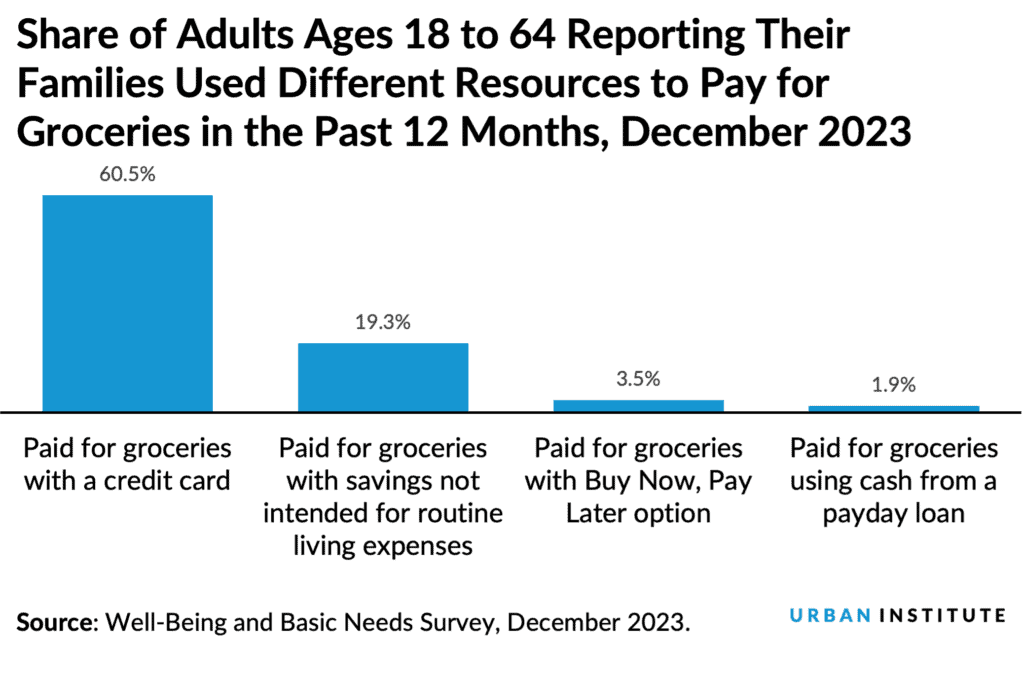
Analysis reveals that households below monetary stress more and more depend on debt for necessities, together with groceries. Some households use bank cards or Purchase Now, Pay Later plans simply to maintain meals on the desk.
Often there is no such thing as a hope they’ll catch up later.
However debt makes households extra fragile. As funds come due and financial savings run out, households could in the reduction of on meals first — skipping meals, shopping for cheaper and fewer nutritious choices, or turning to meals pantries for help. That is typically when meals insecurity turns into unavoidable.
Why January Is Particularly Onerous
January has lengthy been probably the most tough months for households dealing with starvation. Vacation debt, rising dwelling prices, and restricted monetary cushions all converge directly. Inflation has solely intensified this stress, leaving fewer households with room to soak up surprising bills.
This annual cycle explains why post-holiday debt and meals insecurity stay persistent challenges.
Supporting Households Past the Holidays
Breaking the hyperlink between post-holiday debt and starvation requires greater than short-term fixes. Strengthening packages like SNAP, supporting emergency meals help, and growing entry to monetary training will help households keep afloat when budgets tighten.
Neighborhood help additionally performs a important position. When neighbors step up — by donations, advocacy, and partnerships — households can climate the lean months with dignity and stability.
Wanting Forward
The vacations could finish in December, however their monetary influence lingers properly into the brand new 12 months. As January payments arrive, post-holiday debt and meals insecurity remind us that starvation doesn’t comply with the calendar — and neither ought to our compassion.

